How to Find a Reliable Used Car Mechanic in Australia
·3 min read
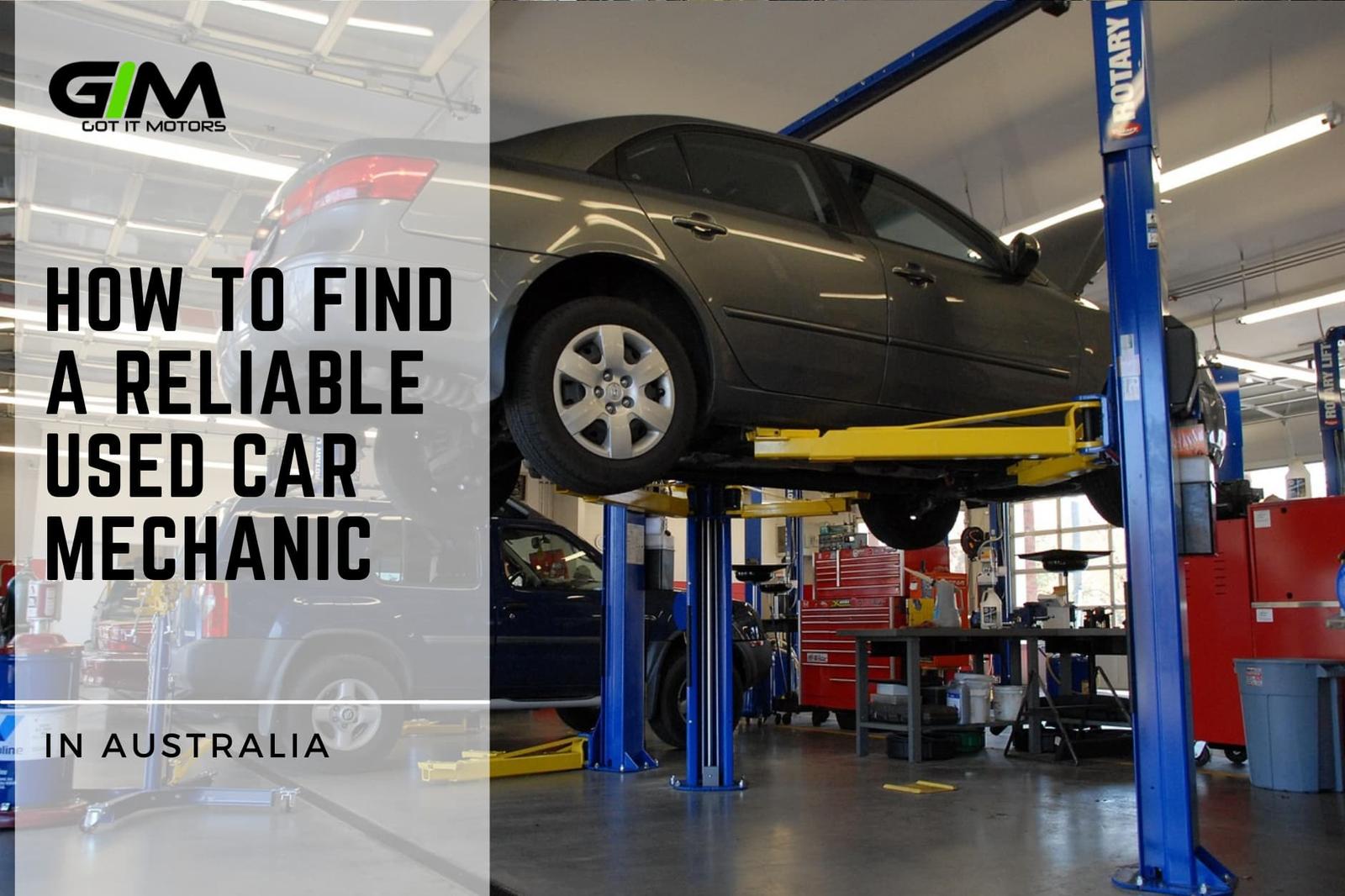
Regular servicing, timely repairs and professional inspections help keep a used car in good condition. Finding a mechanic who understands your vehicle and explains the work clearly can make maintenance easier to manage.
1. Why Finding a Good Mechanic Is Important
A skilled mechanic can identify developing problems, carry out scheduled maintenance and help you plan future work. Keeping the records also helps demonstrate how the car has been maintained.
Servicing can reduce some risks, but it does not guarantee that a vehicle will never break down.
2. Where to Start Your Search for a Reliable Mechanic
Word of mouth and recommendations
Ask friends, family or colleagues about workshops they have used, particularly for a similar vehicle.
Online reviews and ratings
Read recent reviews for patterns in communication, workmanship and how problems were handled. A star rating alone is not proof of quality.
Qualifications and accreditation
Ask about staff qualifications, relevant experience and any claimed accreditation. In Victoria, RACV-accredited workshops and VACC membership can be useful starting points. Membership is not the same as a government licence or a guarantee of every repair.
3. Qualities of a Trustworthy Used Car Mechanic
Experience and training
Look for experience with your make, model and engine, and access to the equipment needed for the job.
Transparent pricing
Request a written estimate and agree that additional work needs your approval. Ask whether diagnosis has a separate charge.
Customer service and communication
The mechanic should explain the problem, the proposed work and what can reasonably wait. Describe when symptoms occur and mention earlier repairs.
Warranties and guarantees
Ask about any warranty on parts and labour and get the details in writing. Product and service warranties do not replace applicable consumer rights.
4. Choosing Between Independent Mechanics and Dealership Service Centres
Both can be suitable. Compare the particular workshop rather than assuming one type is always cheaper or better.
| Factor | What to compare |
|---|---|
| Cost | An itemised estimate for the same work. |
| Experience | Familiarity with your vehicle and its common faults. |
| Equipment | Access to appropriate tools, diagnostics and service information. |
| Parts | The proposed parts and whether they meet the required specifications. |
| Support | Written terms and the process if a problem remains. |
Using a qualified independent mechanic does not automatically void a manufacturer's warranty. Work must meet the manufacturer's requirements, with suitable parts, fluids and records. Additional warranties can have their own conditions. RACV explains repairer choice and servicing requirements.
5. How to Verify a Mechanic's Credibility
Check business details and relevant requirements
Check the business identity and any accreditation claimed. Licensing requirements differ by state and type of work; do not assume rules from another state apply in Victoria.
Ask about similar work
Ask how regularly the workshop handles your vehicle or the repair you need.
Visit the workshop
A visit can help you assess organisation and communication. It does not replace checking qualifications and the proposed work.
6. Questions to Ask Before Choosing a Mechanic
- Do you regularly work on this make and model?
- What diagnosis or service is included in the booking?
- Can you provide a written estimate?
- Will you contact me before extra work?
- Which parts and fluids will you use?
- When should the car be ready?
- What warranty applies to the work?
7. Red Flags to Watch Out For
Be cautious about unexplained charges, pressure to approve work without an explanation, unverified qualifications or repeated complaints about unresolved repairs.
A low quote or a requested deposit is not automatically evidence of dishonesty. Ask what is included and why payment is required.
8. How to Maintain a Long-Term Relationship with a Good Mechanic
Keep service records, explain new symptoms and ask about upcoming maintenance. Using a workshop familiar with your car can help with continuity, but you can seek another opinion if needed.
Conclusion
Choose a mechanic with relevant experience, clear communication and written estimates. Keep itemised invoices and follow the manufacturer's schedule. Consumer Affairs Victoria provides guidance on arranging services and repairs.