Benefits of Having a Car Dash Camera: Accident Evidence, Security and Peace of Mind
·4 min read
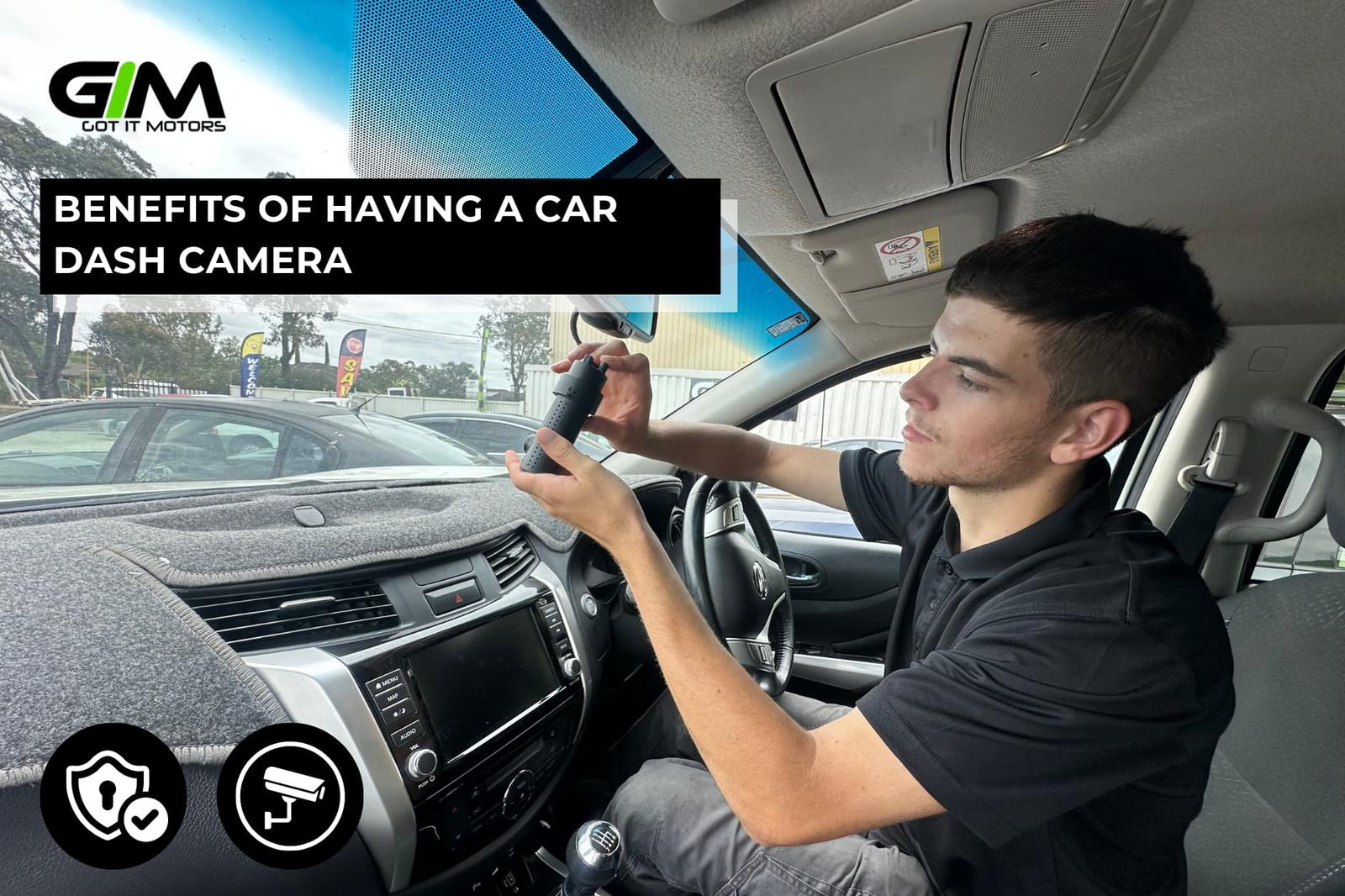
A dash camera records the road from your vehicle. Some systems also record behind the car or operate while it is parked. Footage can help explain an incident, although its usefulness depends on what the camera captures.
1. Crucial Evidence in Case of an Accident
A recording may help establish the sequence of events when drivers disagree about a collision.
- Incident details: Footage may show vehicle movements, road conditions and the time.
- Disputed accounts: It can help an insurer assess conflicting explanations.
- Police reports: Relevant footage may assist an investigation.
A camera does not guarantee a successful claim or prove that its owner was not at fault. It records your driving too.
2. Protection from Insurance Fraud
Footage can help an insurer assess a suspected false claim or an account that does not match what happened. It may show the circumstances of a collision or the damage visible afterwards.
It cannot prevent fraud or establish every detail of an incident. Preserve the original recording and let the insurer assess it with the other evidence.
3. Safer Driving Behaviour
Reviewing footage may help a driver or instructor discuss road positioning and driving decisions. It does not replace training, attention or safe driving habits.
Set up the camera before driving and stop somewhere safe before adjusting it or reviewing recordings.
4. Vehicle Security While Parked
Some cameras have parking modes that record movement or impacts while the car is switched off. Operation depends on the model, settings and available power.
Ask about the required power supply and battery protection. Parking mode is not a guarantee of continuous recording or theft prevention. Ordinary GPS location logging is also different from live vehicle tracking.
5. Peace of Mind During Road Trips
A dash camera can record scenic drives and incidents along the way. Check that it is working before setting off and that the date and time are correct.
GPS data may record location and speed, but this does not mean the camera provides navigation. Check the features of the particular model.
6. Easy Documentation for Insurance and Repairs
Footage may help explain an incident when making a claim, but it does not replace photographs, exchanged driver details or a repair assessment.
Save relevant clips promptly so they are not overwritten. Ask the insurer how to submit them. Do not assume a dash camera reduces premiums: AAMI says having one does not affect its car insurance premiums.
7. Legal Support in Disputes or Incidents
Recordings may assist with reports of dangerous driving, road rage or a disputed incident. Whether they can be used in a legal proceeding depends on the circumstances.
Keep original files and take care with recordings of private conversations or footage shared publicly. Installation, device use and recording must comply with the applicable laws.
8. Capturing Unexpected Moments
A camera may capture wildlife or an unusual event during a drive. Keep your attention on the road and consider other people's privacy before sharing footage.
9. Choosing the Right Dash Cam
Compare practical features rather than price or resolution alone:
- Clear sample footage in daylight and low light.
- Front recording or a front-and-rear system.
- A suitable field of view.
- Parking mode and its power requirements.
- Supported memory cards and loop recording.
- An easy way to save and download clips.
Check recordings periodically. A camera that powers on may still have a memory-card or recording problem.
10. Installation Options in Australia
Some cameras plug into a power outlet; others require hardwiring. A competent installer can help position the camera and route cables appropriately.
The camera and wiring must not obstruct the driver's view or interfere with vehicle safety equipment. Ask how parking mode affects the battery and which settings are recommended.
Contact Got It Motors in Werribee to ask about current installation options and vehicle compatibility.
Conclusion: An Investment in Safety and Confidence
A dash camera can provide useful evidence, provided it is correctly installed and recording properly. Choose a suitable system, learn how to save footage and check it regularly.
Frequently Asked Questions
Are dash cameras legal in Australia?
They are generally permitted, but installation, device-use and recording rules apply. Keep the driver's view clear and check local requirements.
Can footage be used in court or insurance claims?
It may be useful evidence. Acceptance and its significance depend on the circumstances; no outcome is guaranteed.
Will a dash camera drain my battery?
Parking recording uses power. Suitable low-voltage protection can reduce the risk, but battery condition, settings and recording time still matter.
Do I need front and rear cameras?
A rear camera records an additional view. It does not provide complete coverage or prevent a collision.