Benefits of Car Window Tinting
·3 min read
Car window tinting can improve comfort, reduce glare and add privacy. The benefits depend on the film, the existing glass and the quality of installation. It is also important to choose a tint that maintains visibility and complies with Victorian requirements.
1. Protection from Harmful UV Rays
Suitable window films can reduce ultraviolet light entering through the glass and help limit fading of interior materials. Check the specifications for the actual product rather than assuming every tint provides the same protection.
The darkness of a film does not, by itself, establish its UV performance.
2. Enhanced Privacy and Security
Tint can make it harder to see inside a vehicle, depending on the light and film. This may improve privacy, but it does not make valuables safe to leave in the car or prevent a break-in.
Remove valuables and lock the vehicle as usual.
3. Heat Reduction and Increased Comfort
Some films reduce solar heat entering the cabin. Compare the product's documented heat-rejection performance and ask the installer to explain what the figures measure.
Tint does not keep a parked vehicle at a safe temperature or remove the need for ventilation and air conditioning when driving.
4. Glare Reduction and Driving Visibility
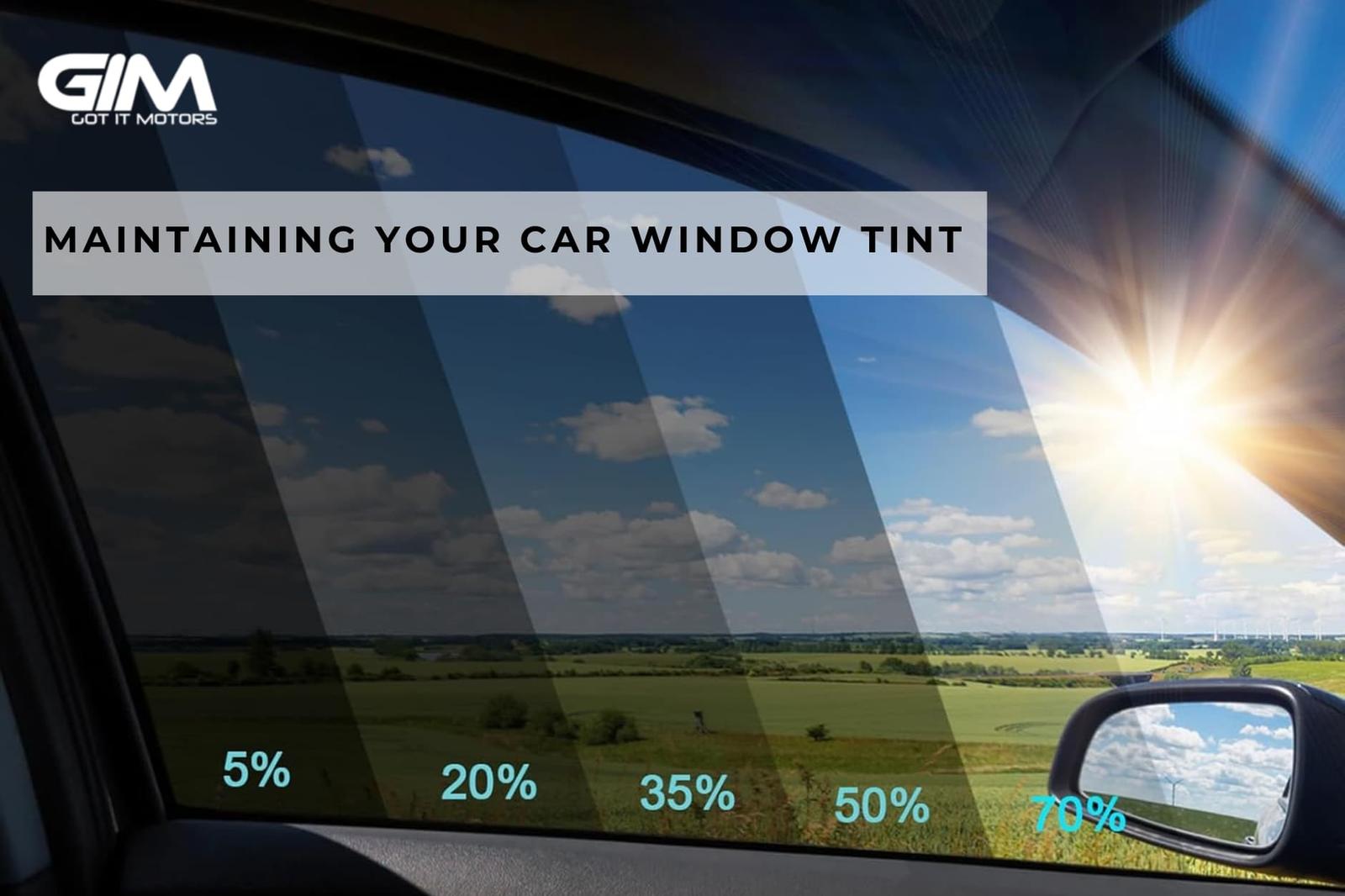
Tint can reduce glare, but darker glass also reduces the light reaching your eyes. This can make driving more difficult at night or in poor weather, even where the tint meets legal limits.
Choose a film you can comfortably see through in the conditions you drive in. Transport Victoria explains the visibility concerns and legal limits.
5. Glass Protection and Safety Limitations
Do not choose ordinary window tint on the assumption that it makes glass unbreakable or guarantees protection from injury.
Ask for evidence of any claim about impact resistance, glass retention or security. These benefits depend on the particular product and installation.
6. Fuel Efficiency Considerations
Reducing solar heat may reduce cooling demand in some conditions. However, any effect on fuel consumption depends on the vehicle, weather and use of air conditioning.
Do not assume a particular fuel saving or that tint will pay for itself through lower running costs.
7. Enhancing the Aesthetic Appeal
Tint can change a car's appearance and provide a more consistent look across the windows. Ask the installer to check existing privacy glass before choosing a film.
A tidy installation may improve presentation, but there is no guaranteed increase in resale value.
8. Compliance with Australian Tinting Laws
Requirements differ between jurisdictions and vehicle types. For ordinary light passenger vehicles in Victoria:
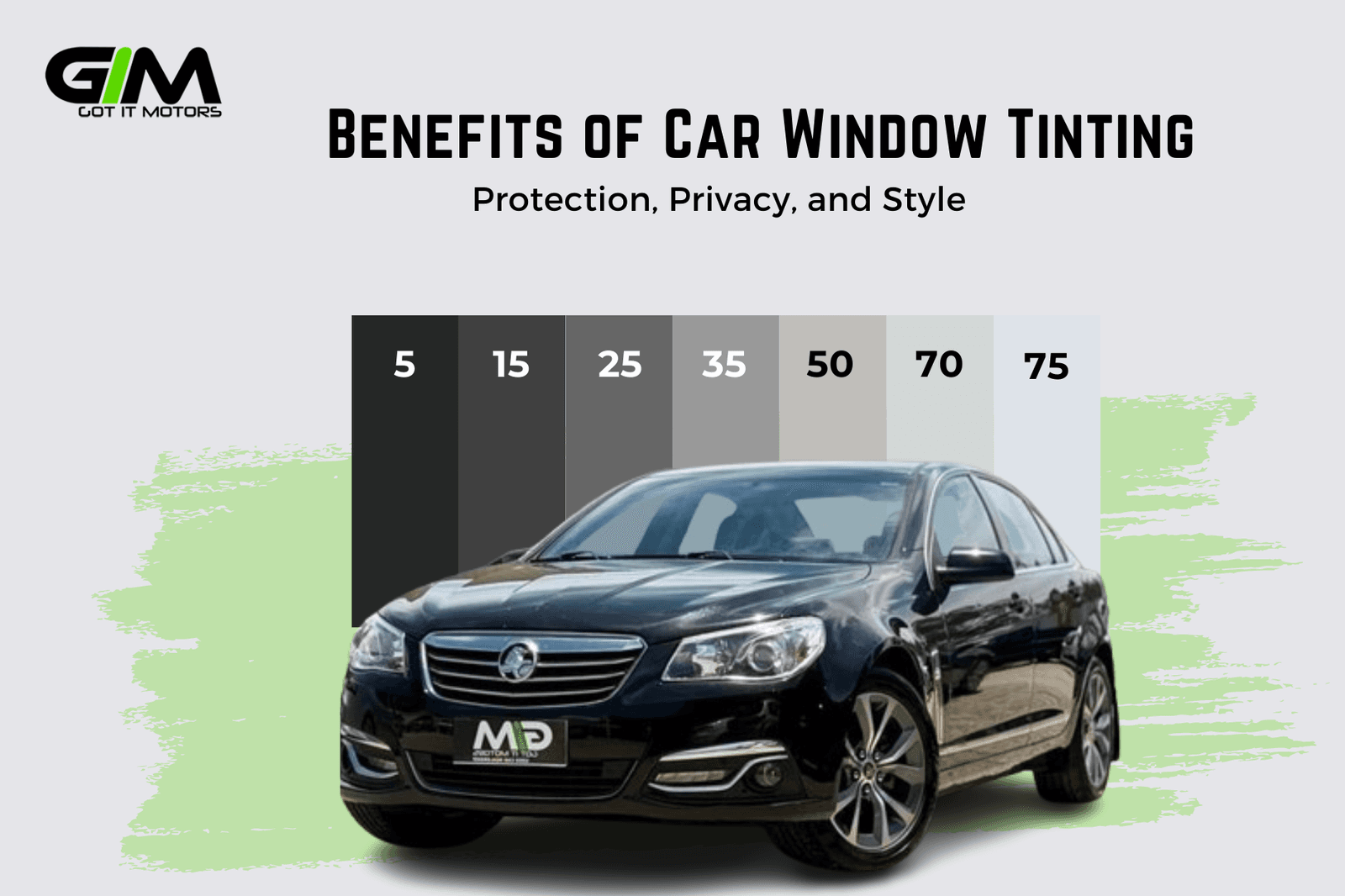
- Front side windows must have at least 35% visible light transmission, or VLT.
- Windows behind the driver's seating position must have at least 20% VLT, with a rear vision mirror on each side.
- Windscreens require at least 70% VLT. Aftermarket film is only permitted in a restricted upper band, which must not cover sensors or cameras.
- Window-film reflectance must not exceed 10%.
The finished glass and film must meet the requirements together. Film, including clear film, cannot be added to factory-tinted glass already below the applicable VLT limit. Check the full Victorian guidance for band dimensions and exceptions.
Conclusion: Why Invest in Car Window Tinting?
Choose tint for the benefits the particular product can deliver, while keeping visibility and compliance in mind. Ask about the film, installation, warranty and aftercare before booking.
Contact Got It Motors in Werribee to enquire about current tinting options.
FAQs
Is car window tinting legal in Australia?
It is permitted within applicable state or territory requirements. Check the rules for the vehicle and where it is registered and used.
How long does window tint last?
Lifespan varies with the product, installation, exposure and care. Check the specific warranty and its conditions.
Can window tint be removed?
Yes, but removal needs care, especially around rear-window demister lines. Ask a professional to assess it.
Does tint affect visibility at night?
Yes. Reducing the amount of light passing through the glass can make it harder to see in low light.